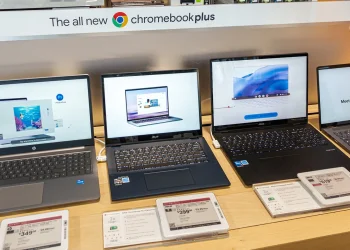

Google is preparing a major overhaul of its operating system strategy—and the ChromeOS phaseout by 2034 is now official. Court documents from the U.S. v. Google antitrust case, obtained by The Verge, reveal that Google intends to fully retire ChromeOS within the next decade. The timeline makes sense: Google launched its last major ChromeOS hardware platform in 2023. The company typically supports devices for ten years, so updates will continue through 2033–2034.
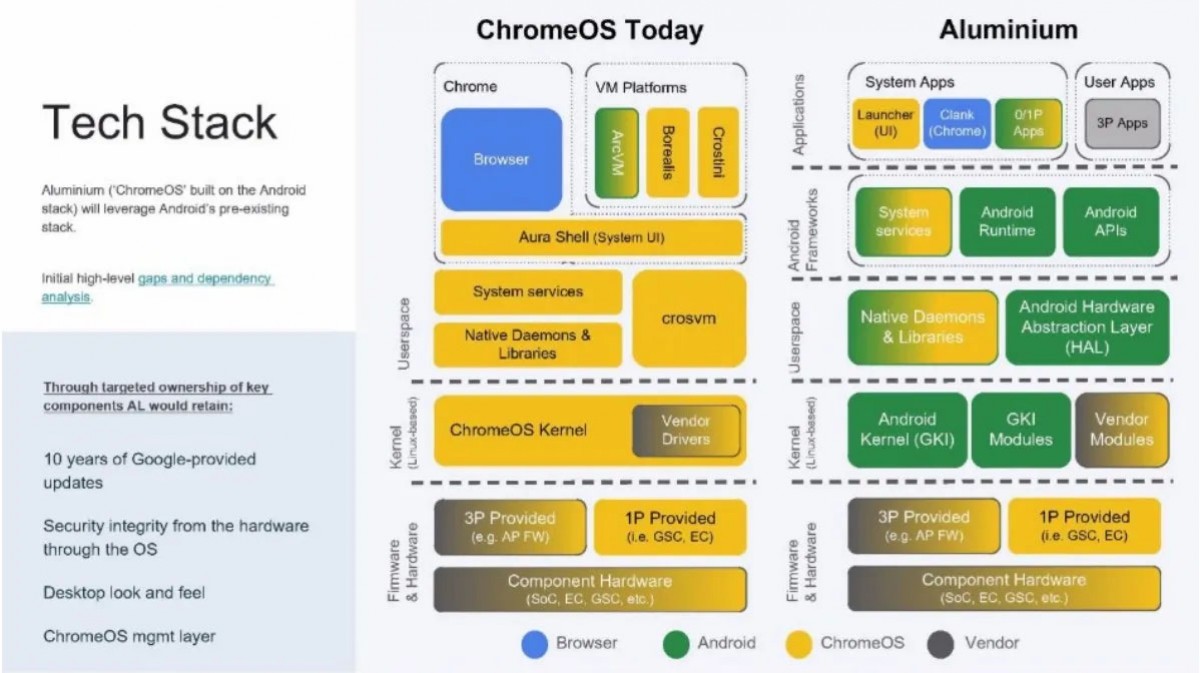
What comes next? Google is building a new unified operating system called Aluminium OS. This system will merge ChromeOS and Android into one desktop-grade platform. Google’s legal team confirmed this plan in court transcripts. Additionally, the President of the Android Ecosystem had already signaled the merger in 2025.
“Commercial trusted testers” will get early access to Aluminium OS in late 2026. Google expects a wider rollout by 2028. Last week, a leaked build of the OS appeared online. It shows a user interface that blends ChromeOS simplicity with Android’s app-focused design—creating a true hybrid experience.
Internally, Google describes Aluminium OS as “ChromeOS built on the Android stack.” This means the core system services, security model, and app framework will all run on Android’s foundation. Google will also give special integration benefits to its own apps—especially the Chrome browser—potentially boosting their performance or features over third-party alternatives.
This move reflects Google’s goal to simplify its ecosystem. Running two separate operating systems has become inefficient. With Aluminium OS, Google can streamline development, improve app compatibility, and better compete with Windows and macOS.
Still, the shift raises concerns for millions of Chromebook users. Schools, businesses, and consumers rely on ChromeOS for its speed, security, and affordability. Although Google will support existing devices through 2034, organizations must start planning their migration now.
The timing also draws attention because these details surfaced in an antitrust trial. Regulators may argue that favoring Google’s own apps in Aluminium OS could deepen the company’s market dominance—a key issue in the government’s case.
For now, ChromeOS remains fully functional and supported. But the future is clear: the ChromeOS phaseout by 2034 marks the end of one era and the start of another. Soon, Android won’t just power your phone—it will power your laptop, desktop, and more.
READ: 3 Critical Mistakes to Avoid When Dual-Booting Linux and Windows