
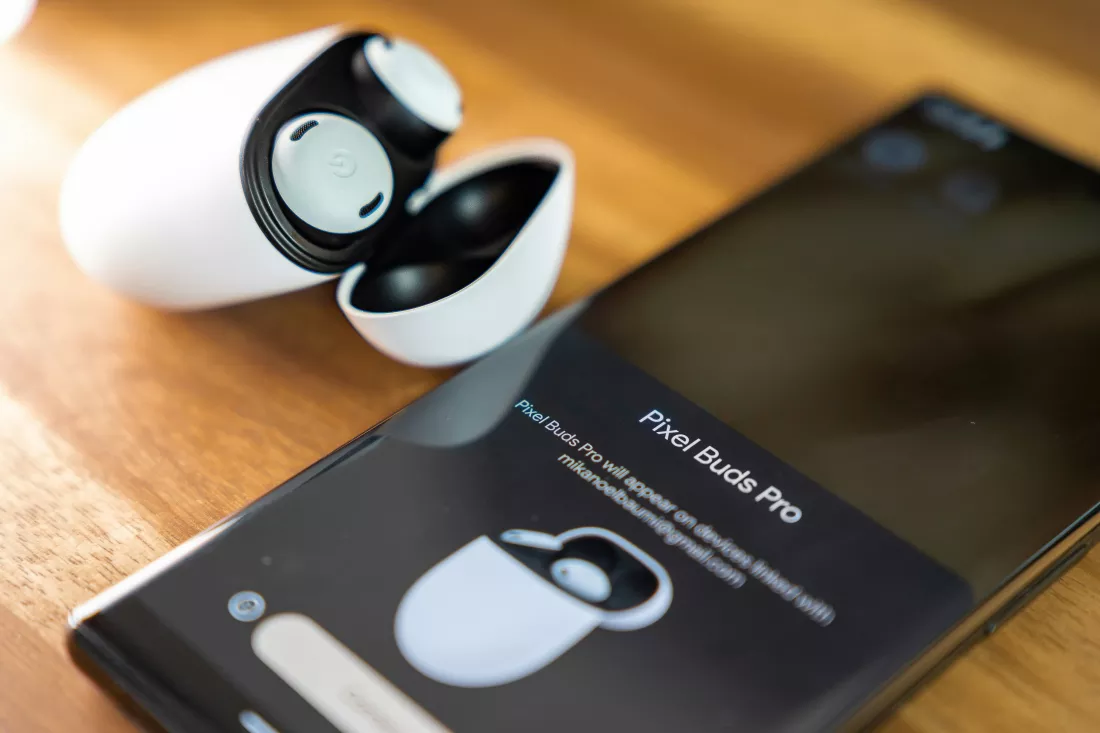
Google’s Fast Pair technology has revolutionized Bluetooth pairing, offering a seamless experience for Android and Chrome OS users. However, new research from KU Leuven University has uncovered critical vulnerabilities in this system, raising concerns about security. The researchers have identified a set of weaknesses, referred to as WhisperPair, that can allow attackers within Bluetooth range to hijack Fast Pair-enabled devices in less than 15 seconds. This flaw affects products from top brands like Google, Sony, JBL, Xiaomi, Jabra, and OnePlus.
What is Fast Pair and How Does It Work?
Fast Pair was designed to make Bluetooth pairing a straightforward and quick process. When you connect a new Bluetooth accessory, Fast Pair automatically establishes a connection between the device and your Android or Chrome OS system with just a tap. This user-friendly protocol has become the go-to choice for connecting wireless headphones, earbuds, and speakers. But the convenience comes with a significant drawback: vulnerabilities that could be exploited by cybercriminals.
How the Vulnerability Works
Researchers discovered that an attacker within Bluetooth range, typically around 45 to 50 feet, could use a low-cost device like a Raspberry Pi 4 to impersonate a legitimate pairing request. In their tests, the KU Leuven team found that 17 out of 25 tested Fast Pair-enabled devices were susceptible to this attack. Once hijacked, the attacker could control the device’s functions, such as playing or muting audio, changing volume levels, and even activating built-in microphones to listen in on conversations.
More troubling, certain models from Google and Sony also allow attackers to track the location of the victim through the Google Find Hub network. This capability enables precise tracking, as long as the device remains paired with the attacker’s Google account.
Why This Is a Big Deal
The implications of this vulnerability are significant. Once a device is compromised, the attacker has full control until the victim resets the device. In some cases, such as with certain earbuds, if the device has never been linked to a Google account, the attacker can forcibly register it under their own Google ID. This registration adds the device to the attacker’s Find Hub list, giving them continuous access to the device’s location data.
The Industry’s Response and Fixes
In response to the findings, Google has acknowledged the security issue and released patches for its own devices. They’ve also worked with affected vendors to address the vulnerability. Despite these efforts, the KU Leuven researchers were able to bypass Google’s fixes within hours, allowing the exploit to continue.
Vendors like JBL and Xiaomi have committed to rolling out updates for their affected devices, but a key challenge remains: many users never update their devices. Without updating the firmware or installing companion apps, these flaws will persist, leaving users vulnerable.
The Root Causes and Future Solutions
The issue stems from both vendor and chipset-level errors in implementing the Fast Pair specifications. The KU Leuven research points to components from companies like MediaTek, Qualcomm, and Realtek as contributing to the exposure. Despite these flaws, Fast Pair devices had passed Google’s certification tests, indicating that the current validation process does not adequately address security concerns.
Looking forward, the researchers suggest that Fast Pair should be revised to include cryptographic authentication before allowing new pairings. This additional layer of security could prevent attackers from easily taking control of devices within Bluetooth range.
What Can Users Do to Protect Themselves?
For now, users are encouraged to install available firmware updates and reset their potentially affected devices. By keeping their devices updated, users can help mitigate the risks associated with this vulnerability. As the technology behind Fast Pair evolves, it’s clear that more robust security measures will be needed to ensure users’ privacy and safety.