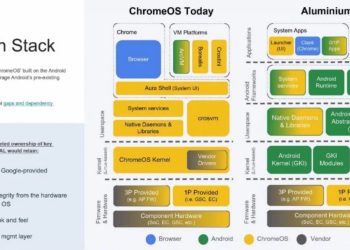


For years, Google has played catch-up in the world of tablets and laptops, particularly with its Chromebook and Android tablet lines. Despite some promising attempts, such as the Pixel Slate in 2018, the company has often found itself trailing behind more dominant players in the market. However, Google is now gearing up for a significant change. The tech giant is set to merge its two major platforms—Android and ChromeOS—into a completely new operating system, likely called Aluminium OS. This bold move, set to launch in 2026, promises to reshape Google’s approach to laptops, tablets, and other computing devices, potentially allowing the company to compete head-to-head with Apple’s iPad and MacBook offerings. Here’s everything we know so far about this upcoming game-changer.
The Merging of Android and ChromeOS: What’s Behind the Shift?
Google has been slowly moving towards a unified ecosystem for its Android and ChromeOS platforms over the last few years. This gradual integration began with features like Android apps being available on Chromebooks. While these improvements have made Android and ChromeOS more compatible, the full fusion of the two systems has always remained out of reach—until now.
Reports first emerged about a new operating system that blends the capabilities of Android and ChromeOS, something more robust than either platform on its own. During Qualcomm’s Snapdragon Summit in September 2025, Google’s hardware chief, Rick Osterloh, confirmed that Android and ChromeOS would indeed be merging into a new platform. With Google’s deep integration of AI into its ecosystem, this new operating system is expected to leverage its existing advancements in machine learning, virtual assistants, and cloud technology.
What Is Aluminium OS?
Although not officially confirmed as the final name, Aluminium OS is being floated as the potential brand for this new platform. The name resembles Chromium, the open-source codebase behind ChromeOS, and is designed to signal a shift in how Google handles its operating systems. This new system will likely cater to various device types, including laptops, tablets, and even detachable mini-PCs, offering a seamless and integrated experience across all form factors.
For years, the Pixel Slate was Google’s first real attempt at blending Android and ChromeOS into a single device. However, that effort fell short of expectations. With Aluminium OS, Google aims to get it right by providing a more polished and cohesive ecosystem, potentially taking on Apple’s iPadOS and macOS with a more versatile, desktop-like interface.
Key Features of Aluminium OS
While the full details of Aluminium OS remain under wraps, there are several important features and clues that have been revealed through job listings, leaks, and official statements.
A Seamless Experience Across Devices
Google’s goal for Aluminium OS is to create a unified experience that works seamlessly across multiple device types. Unlike ChromeOS, which has been traditionally tied to laptops, and Android, which has been limited to smartphones and tablets, this new OS is designed to work across all of Google’s devices. Whether it’s a detachable tablet, a laptop, or even mini-PCs, Aluminium OS will offer a consistent, powerful, and flexible interface.
Premium Devices for a Premium Experience
The job listings for the Aluminium OS project mention three tiers of devices: AL Entry, AL Mass Premium, and AL Premium. These tiers suggest that Google intends to cater to a wide range of users, from budget-conscious consumers to those seeking premium, high-performance devices. This move is part of Google’s broader strategy to push further into the premium market, an area where Chromebooks have historically struggled.
For reference, Chromebooks have traditionally been associated with affordable, entry-level devices, but with Aluminium OS, Google appears to be aiming for a more sophisticated and premium user experience. This could mean better design, enhanced features, and more powerful hardware.
A Strong Focus on AI Integration
Artificial intelligence will likely play a central role in Aluminium OS. Google has consistently placed AI at the core of its development, from the Google Assistant to the company’s machine learning models like Gemini. This new OS could see an even deeper integration of AI features, helping improve productivity, user interaction, and overall performance across devices. By making AI a central component, Google hopes to provide a more intuitive and smart computing experience for users.
How Aluminium OS Will Compete with Apple
Google’s upcoming Aluminium OS is set to directly compete with Apple’s iPadOS and macOS, both of which have seen significant overlap in recent years. With the introduction of proper windowing on iPadOS and rumors of a touchscreen MacBook Pro coming in 2027, Apple has blurred the lines between its tablet and laptop operating systems. Aluminium OS will need to offer similar—or even superior—functionality if it hopes to take on Apple’s well-established ecosystem.
One area where Aluminium OS could differentiate itself is its more flexible approach to Android. This new OS may offer a more desktop-like interface than what’s currently available on Android tablets, making it a true competitor to the iPad while still retaining all the advantages of Android’s app ecosystem. With the growing importance of AI, Aluminium OS might even take the lead by offering more seamless AI integration, something that Apple has only just begun to explore on its devices.
What We Don’t Know About Aluminium OS
As much as we know about Aluminium OS, several key details remain unclear. For example, it’s not yet confirmed whether the name Aluminium OS will stick, as Google could opt for a different branding altogether. Additionally, while the new platform is expected to provide a more desktop-like experience, how exactly it will handle multitasking, window management, and overall UI design is still up for speculation.
Another major question is how existing Android and ChromeOS devices will transition to Aluminium OS. Could existing Chromebooks get an upgrade, or will it be reserved for new devices? These are questions that will only be answered when the official launch approaches in 2026.
The Road Ahead: Aluminium OS and the Future of Google Devices
The merging of Android and ChromeOS into Aluminium OS marks a new era for Google’s hardware and software ecosystem. By combining the strengths of both platforms, Google aims to offer a powerful, unified experience that can rival Apple’s iPad and MacBook offerings. The focus on AI, premium devices, and cross-platform compatibility shows that Google is serious about breaking into the higher-end market, an area where it has traditionally been less competitive.
As the launch of Aluminium OS approaches, we can expect more details to emerge, including pricing, hardware specifications, and a deeper look at the user interface. For now, all eyes are on Google’s next move, and 2026 could be the year that the company finally establishes itself as a serious player in the premium device space.