
Apple has made an unexpected move by releasing updates for some iOS versions that are well over a decade old. Specifically, versions like iOS 12 and iOS 15, which haven’t been receiving new features or traditional security updates, are now receiving crucial certificate renewals. While this update may not bring any major changes to the user experience, it holds particular importance for those still using older iPhone models. But why the sudden attention to devices running these older versions? And what does this mean for iPhone users who are still holding on to their vintage devices? Let’s dive into this move by Apple, what it entails, and what users can expect going forward.
The Update That’s More About Maintenance Than Innovation
Apple’s recent release targets iPhones that are running older operating systems such as iOS 12 and iOS 15. The update in question is not a typical security patch or feature upgrade. Rather, it focuses solely on renewing security certificates that are essential for core Apple services like iMessage, FaceTime, and Apple account sign-ins. Without these updated certificates, these services would be rendered inoperative beyond January 2027.
Unlike previous updates, which often include security fixes and new features, this update doesn’t introduce any significant changes to the functionality of the devices. The absence of new features means that Apple users who are accustomed to receiving regular improvements to their iPhones might feel this update doesn’t offer much to get excited about. However, its importance lies in ensuring that users can continue to access basic functionalities, like messaging and FaceTime, for a few more years.
Why Did Apple Release These Updates Now?
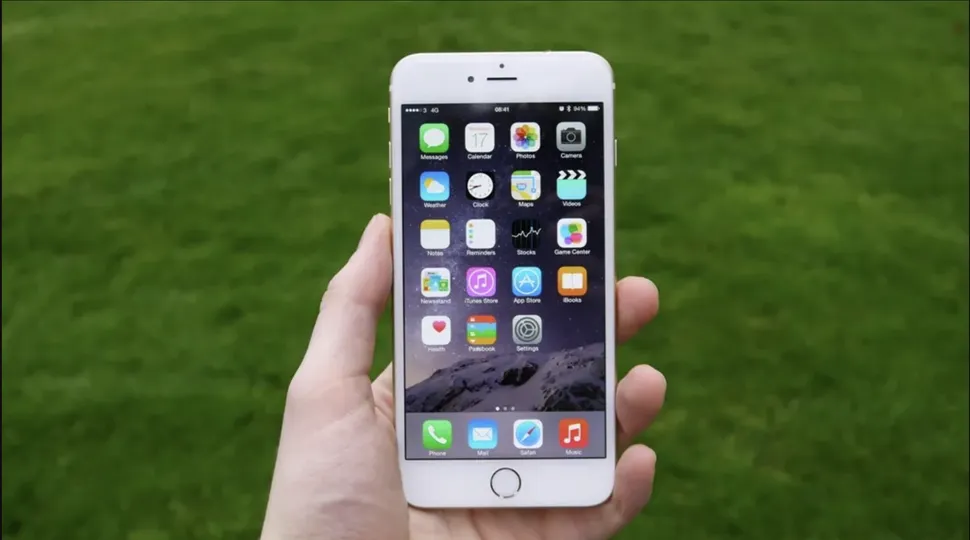
This patch release might raise a few eyebrows, as it’s unusual for Apple to support iOS versions that are more than a decade old. As time progresses, Apple typically phases out support for older devices, making room for newer releases. For context, iOS 12 was first launched in 2018, and iOS 15 came out in 2021. Devices that run these operating systems, such as the iPhone 6 Plus or iPhone 8, are increasingly seen as obsolete by modern smartphone standards.
The main reason for these updates appears to be Apple’s effort to ensure that core services like iMessage and FaceTime continue working beyond 2027. Since these services rely on security certificates to function properly, Apple has rolled out this update to ensure that users can still make calls, send messages, and interact with their Apple accounts on these older devices without any interruption.
Moreover, it’s a way for Apple to maintain continuity across its ecosystem, ensuring that even devices that are nearing the end of their lifespan can still remain connected to the broader Apple ecosystem for a few more years. After all, even old phones have a dedicated user base that relies on them for basic functionalities, and Apple seems determined to support those customers for as long as possible.
The Patching Inconsistency Across iOS Versions
Despite the fact that updates for older iOS versions are being rolled out, there’s a noticeable inconsistency in Apple’s approach. iOS 16, which was released in 2022, received an update recently, but this update did not address certificate renewals. Similarly, there’s no patch for devices still stuck on iOS 17. This inconsistency has left many users of older devices wondering how long their iPhones and iPads will remain functional for essential services.
While iOS 18.7.4 (the latest version of iOS) did receive the necessary certificate updates, it’s a little surprising that iOS 16 devices, which are still actively supported, didn’t get the same attention. This lack of clarity about future updates could be worrisome for users of older iPhones who depend on these updates to keep their phones running smoothly.
For now, however, the priority seems to be providing certificate renewal updates for the older iPhone models that are still active and used by people who are not yet ready to upgrade. But as iPhones age, the question arises: how long will Apple continue to support these devices?
Challenges of Using Older iPhones
While the recent update ensures that core services like iMessage and FaceTime continue to work beyond 2027, it’s important to understand the broader challenges that come with using older iPhones. For example, devices running iOS 12 and iOS 15 have outdated hardware and lack the memory and processing power to effectively support the latest apps and features. Many of these phones only have 1 or 2 GB of RAM, which significantly limits their ability to run newer applications or handle multiple tasks simultaneously.
Moreover, as the Safari browser used on these older devices has not been updated with the latest features and security protections, it leaves users vulnerable to modern web threats. Over time, third-party apps also stop supporting older versions of iOS, leaving users with fewer options when it comes to installing new applications.
That said, for users who only need a basic phone, older iPhones can still be used for secondary purposes. Simple messaging, making occasional calls, and even using these devices as dedicated gadgets for specific tasks remain viable options. It’s also worth noting that many people still rely on their older iPhones for nostalgia or as backup devices, given their reliability for simpler tasks.
What This Means for Future iPhone Users
As Apple continues to evolve its devices and operating systems, it’s clear that older models are becoming less practical for general-use smartphones. Yet, with this update, Apple seems to be acknowledging that not all users are ready to give up their older iPhones. For those who don’t mind sacrificing advanced features and security, an older iPhone can still serve as a functional, if limited, device for basic communication needs.
However, for those who are looking for the best performance, security, and user experience, it’s advisable to upgrade to a newer model. iPhones with the latest operating systems offer faster speeds, improved security features, and access to the newest apps and services. And, with regular updates, they will likely remain supported for a much longer period.
Apple’s recent update for devices running iOS 12 and iOS 15 may not bring any exciting new features, but it’s a crucial move to ensure that essential services continue to function beyond 2027. The inconsistency in updates across iOS versions, however, raises questions about how long Apple will support older devices. For users still holding on to their iPhones, this patch offers some peace of mind, but it’s clear that technology moves forward, and newer devices will eventually be necessary for a fully functional iPhone experience.
As Apple gradually phases out support for older models, the best advice is to enjoy the extended functionality these updates offer but keep an eye on newer models for a more secure and robust experience.