
Last week, iPhone and iPad users received disappointing news: Apple will begin running more ads in App Store search queries starting in March. This move comes as part of Apple’s ongoing strategy to increase its advertising footprint within its software ecosystem. Users searching for specific apps might find themselves encountering paid results rather than the app they were looking for. For example, searching for “Into the Breach” might lead to “Hero Wars: Alliance RPG” instead—something Apple seems perfectly fine with, despite it not being what users specifically searched for.
While ads in the App Store search results aren’t new, as they’ve been around since 2016, this latest expansion marks a significant shift. Apple’s plan to add multiple paid slots per query is a development that was discussed last month but only recently had details revealed, including the timeline and which markets will see these changes first. The United Kingdom will get the expanded ads first, followed by Japan, and then the rest of the world.
This gradual expansion of in-software advertising is a pattern Apple has been following for years. Initially, users only saw a single ad at the top of each search query, but that quickly expanded to other parts of the App Store and even to other apps like Apple News, Stocks, iMovie, and, as announced for 2026, Apple Maps. Apple’s approach to advertising has always been one of incremental steps, pushing ads further into its platforms until users push back hard enough, only for the company to pull back temporarily—unless users remain passive, in which case Apple continues pushing.
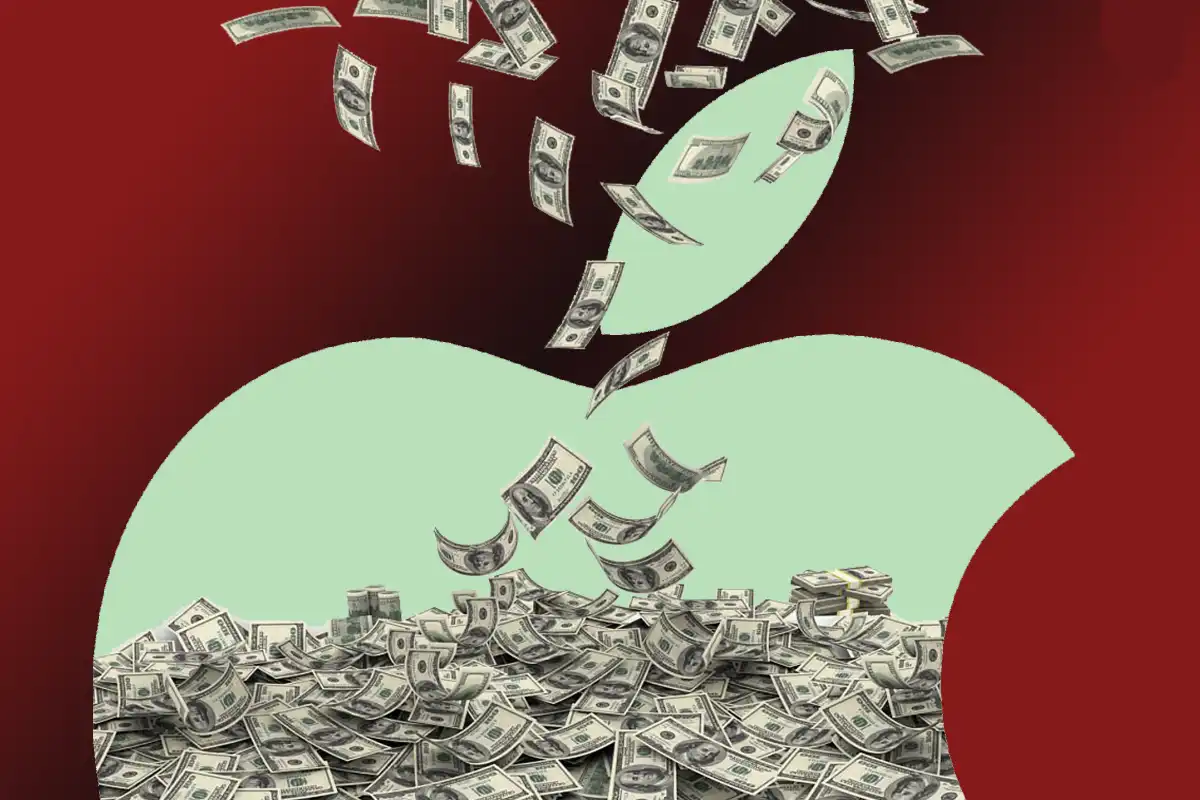
It’s clear why Apple is expanding its ad offerings: revenue. As one of the most valuable companies in the world, with a market cap of $4 trillion, Apple recognizes the immense opportunity in increasing its advertising presence. However, this growth comes at a significant cost: user trust. Apple has long marketed itself as the “privacy-first” alternative to other tech giants, particularly Google. It sells its products at a premium, promising users a secure and private experience free from invasive ads and data harvesting. But with this move, many customers may question whether Apple is becoming more like the very companies it has long set itself apart from.
This shift raises a crucial question: Why are users now seeing more ads in an ecosystem they’ve paid a premium to enter? After spending upwards of $999 on an iPhone, should users expect more than just ads that promote other products? If Apple continues to adopt strategies similar to Google’s, it’s not hard to imagine customers questioning whether sticking with Apple is still worth it, especially when cheaper, ad-supported alternatives like Android are available.
While some might brush this off as a minor annoyance, the reality is much deeper. Search ads, in particular, can severely impact the user experience. These ads don’t just exist to promote products that are relevant to users; they direct consumers away from the product they were searching for and towards what the platform has been paid to recommend. Though these ads are clearly labeled, their very existence distorts the search process, shaping the market in ways that benefit advertisers more than users. For example, an Apple Maps user might be guided to a chain restaurant that paid for an ad, bypassing a local hidden gem in the process—something that undermines the integrity of the platform.
This raises an important question for Apple: What kind of ecosystem does it want to run? Does it want to foster innovation, support small developers, and help users find the best apps for their needs? Or is it more focused on favoring bigger developers and promoting apps that may mislead users into downloading something irrelevant to their original search? While I would like to believe Apple will continue to prioritize its users and developers, each step forward in its advertising expansion makes me more skeptical.