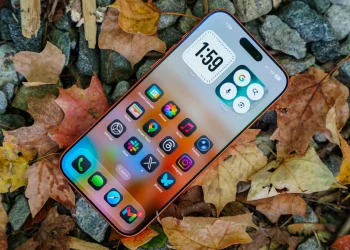


Apple has taken a clear step toward launching iOS 26.3, with the release of both the developer and public beta versions of the Release Candidate on Wednesday, February 5, 2026. This move strongly signals that the final version is just days away—making the iOS 26.3 release date almost certain to fall next week.
As most Apple followers know, the Release Candidate (RC) is typically the last beta before the public rollout. When Apple releases both the developer and public RCs on the same day, it usually means the company is ready to ship the update to all users.
Historically, Apple tends to issue the RC on a Monday and launch the final version the following Monday or Tuesday. However, this week’s RC arrived on a Wednesday—which slightly shifts expectations. Even so, the pattern still points to a launch early next week.
Given this timing, the iOS 26.3 release date will most likely be Tuesday, February 10, 2026, at 10 a.m. Pacific Time. That said, Monday, February 9, remains possible, and Wednesday, February 11, hasn’t been ruled out entirely. Still, Tuesday currently stands as the strongest candidate.
The update itself appears modest for most users. It includes minor refinements and bug fixes, with more notable changes reserved for EU users due to regulatory requirements. Because the feature set is light, Apple may not need extra testing time—supporting a faster rollout.
Some users have reported minor issues with the recent surprise update, iOS 26.2.1, which arrived unexpectedly in late January. However, complaints remain limited in number and severity. Apple is unlikely to delay iOS 26.3 to address them. Instead, fixes will probably come in a future patch.
In summary, everything points to an imminent launch. With the Release Candidate now live and Apple’s typical release rhythm in play, the iOS 26.3 release date is all but confirmed for early next week—most likely Tuesday, February 10. iPhone users should keep their devices charged and connected, as the update could arrive any moment.
READ: Google’s Android PC Delayed Until 2028, ChromeOS Stays for Now