
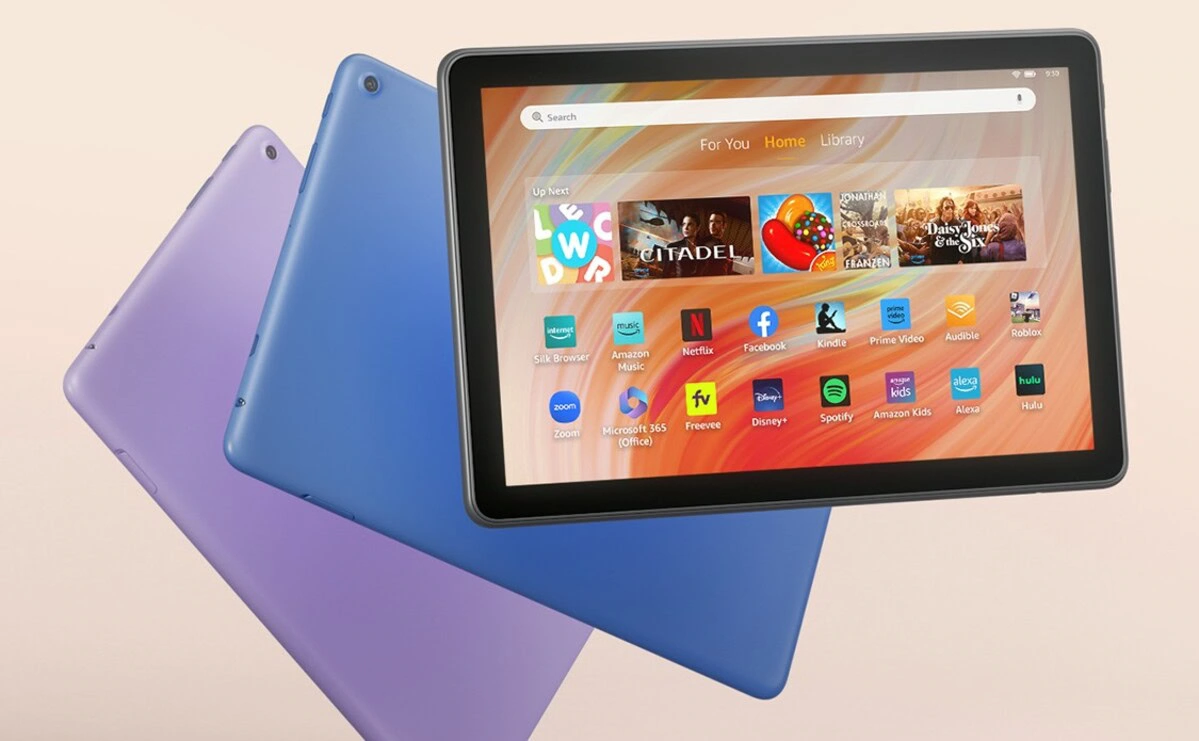
Amazon is preparing to launch its first Amazon Android tablet in 2025, marking a major shift from the company’s long-standing reliance on Fire OS. The project, codenamed Kittyhawk, will replace Amazon’s custom system with a more familiar Android-based platform.
Since the Fire tablet debuted in 2011, Amazon has used a “forked” version of Android. This custom approach created a unique operating system but limited app availability and frustrated developers, who had to build separate versions of their apps for Amazon’s app store. By moving toward Android, Amazon hopes to deliver a device that offers both stronger performance and greater compatibility.
Why the Switch Matters
For years, customers have complained about missing apps and outdated software on Fire tablets. According to IDC researcher Jitesh Ubrani, “Consumers have always expressed concern about not having access to the latest Android versions.” This has meant extra work for developers and fewer app options for users.
Despite those limitations, Amazon has sold millions of Fire tablets by offering low prices and integrating them with its digital ecosystem. However, cheap hardware often comes with trade-offs like weaker screens and shorter battery life. With the new Amazon Android tablet, the company appears ready to compete more directly with premium devices.
Pricing and Market Position
Insiders say the first model could cost around $400—almost double the current high-end Fire Max 11, which sells for $230. At that price, the device will compete more closely with Apple’s entry-level iPads ($350+) and Samsung’s Galaxy Tab lineup.
Amazon currently holds 8% of the global tablet market, just behind Lenovo’s 8.2%. Apple leads with 33.1%, followed by Samsung with 18.7%. Moving to Android may help Amazon strengthen its position by appealing to users who want better performance and access to the Google Play app ecosystem.
The Kittyhawk Project
Amazon’s internal project name, Kittyhawk, appears to draw inspiration from the North Carolina site of the Wright brothers’ first powered flight. The name also recalls a failed flying car startup funded by Google co-founder Larry Page, suggesting both ambition and risk.
Like earlier experiments, such as the ill-fated Fire Phone, Kittyhawk carries uncertainty. Sources caution that the project could be delayed or canceled due to costs or strategic changes. Still, Amazon’s willingness to embrace Android signals a philosophical shift for a company that has typically preferred in-house solutions.
Future of Amazon Tablets
Alongside the premium Amazon Android tablet, Amazon plans to release lower-cost models running its Linux-based Vega OS, already used in Fire TV devices. Over time, though, the full Fire tablet lineup is expected to transition to Android.
This change also mirrors Amazon’s broader strategy of selectively partnering with rivals. For example, its Alexa+ voice assistant now uses AI technology from Anthropic, showing that Amazon is more open than before to adopting outside innovations.
Conclusion
The arrival of an Amazon Android tablet marks a turning point for the company’s hardware strategy. By shifting away from Fire OS, Amazon is addressing long-standing consumer and developer frustrations while positioning itself more competitively in the global tablet market. If successful, the Kittyhawk project could finally elevate Amazon’s tablets beyond budget devices and into the premium arena.