
Microsoft has announced plans to address persistent Windows 11 performance issues following a growing number of user complaints about bugs, system performance, and other disruptions. The company’s president of Windows and Devices, Pavan Davuluri, confirmed the focus on enhancing user experience based on feedback from customers and Windows Insiders.
“We need to improve Windows in ways that are meaningful for people,” Davuluri told The Verge, emphasizing that the company will prioritize addressing key pain points that users have consistently raised. In response to the backlash, Microsoft has pledged to enhance system performance, improve reliability, and refine the overall Windows experience throughout the year.
Recent Windows 11 Bugs Spark Concerns
The announcement comes after a series of issues following the problematic rollout of the January 2026 Windows 11 patch. Some users experienced severe problems, including an inability to enter sleep mode or turn off their computers. Others found themselves unable to boot up their systems. Additionally, a security update from last year rendered USB-connected mice and keyboards useless, preventing users from accessing critical recovery tools.
These technical glitches have stirred frustration among users, many of whom are demanding faster fixes and improvements. Microsoft is now responding with a more aggressive approach, aiming to resolve these issues swiftly.
Microsoft’s Plan to Fix Windows 11 Issues
In its efforts to address the ongoing Windows 11 performance issues, Microsoft has acknowledged the growing discontent among its users. In an effort to bring swift resolutions, the company’s engineers are reportedly “swarming,” a practice that involves bringing in additional resources to expedite the problem-solving process. This move signals Microsoft’s intention to improve its software’s stability and usability, ensuring that users have a better experience with Windows 11.
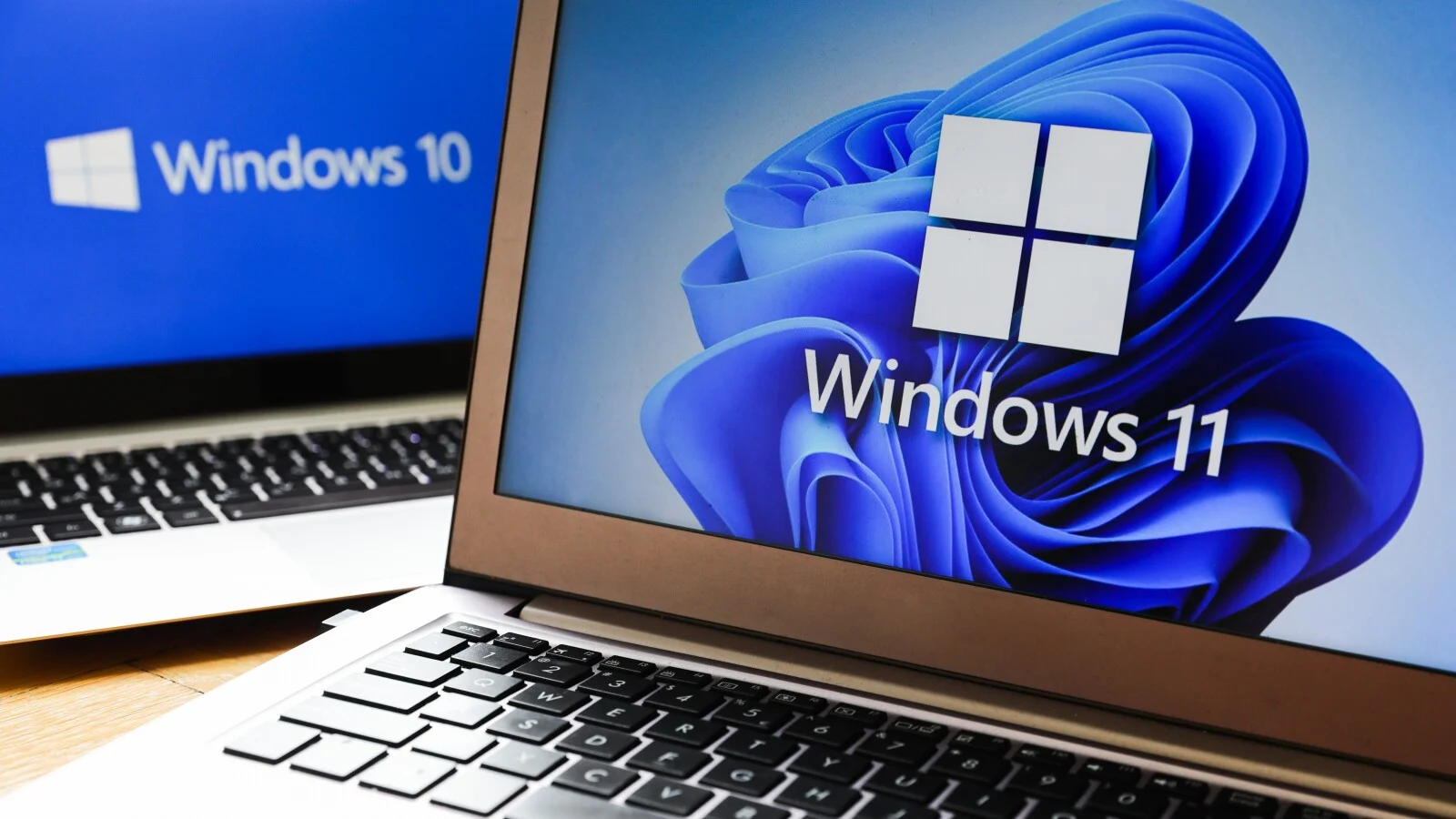
The software giant is clearly determined to avoid losing customers, especially with its recent push to migrate users from Windows 10 to Windows 11. Microsoft ended support for Windows 10 on October 14, 2025, urging users to upgrade to the latest version of the operating system. Despite this, Windows 11’s market share experienced a dip at the end of 2025, falling from 55.18% in October to 44.68% in December. However, recent figures show a recovery in Windows 11’s market share, which reached 62.41% last month, while Windows 10 now holds 35.77% of the market, according to StatCounter.
Read Also
Windows 11 PowerToys Shortcuts
Linux Gaming: The Future
Mac Models Before 2018: What You Need to Know
Looking Ahead for Windows 11
Despite the recent setbacks, Microsoft remains committed to delivering improvements to Windows 11. The company’s focus on addressing performance issues and system reliability shows its awareness of the urgency to fix the product before further customer dissatisfaction sets in. As Windows 11 continues to evolve, users can expect ongoing updates aimed at making the operating system more stable and responsive.
Microsoft’s efforts to remedy Windows 11 performance issues will likely define its long-term success, as customers seek an operating system that delivers both reliability and enhanced functionality. Whether or not these efforts will restore full user confidence remains to be seen. However, with the recent push from Microsoft’s engineers, the company is on track to resolve these issues and improve Windows 11 for the long haul.