

Windows 12 Leaks are generating growing excitement across the technology industry. Reports suggest that Microsoft could launch a new version of its flagship operating system during 2026. If these reports prove accurate, Windows 12 could represent one of the biggest design changes in Microsoft’s desktop platform in years.
The upcoming system may introduce a more flexible architecture, a redesigned interface, and much deeper artificial intelligence integration. These changes would mark a major shift from the current Windows 11 platform.
Many industry observers believe the new system will focus heavily on modular computing. Windows 12 Leaks suggest Microsoft plans to introduce a new architecture known as CorePC. This architecture would allow the operating system to scale across different devices more efficiently.
CorePC could enable Microsoft to build customized versions of Windows for various hardware environments. These could include traditional desktop computers, tablets, mobile devices, and gaming systems. The same architecture may also support hybrid computing environments that combine local processing with cloud services.
This modular design could improve performance and security. It could also allow Microsoft to deliver more specialized versions of Windows for different use cases.
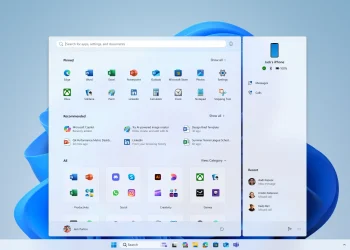
Another area receiving attention in Windows 12 Leaks is the operating system’s interface. Reports indicate that Microsoft plans to introduce a visually refreshed desktop experience.
One of the most striking changes may involve the taskbar. Early leaks describe a floating taskbar with rounded corners and transparent glass effects. The design could resemble the Dock interface found in other operating systems.
In addition, the system tray and clock may move to the top-right corner of the screen. A Copilot-powered search bar could appear at the top center of the display. These changes would give the desktop a more modern and minimal appearance.
Improved touch interaction also appears to be a key design goal. Microsoft may optimize the interface for touchscreen devices while maintaining strong desktop usability.
Artificial intelligence will likely play the most significant role in the new operating system. Windows 12 Leaks indicate that AI may become a foundational component rather than an optional feature.
Microsoft already introduced Copilot in Windows 11. However, the next version of Windows may integrate AI capabilities across the entire operating system.
This deeper integration could allow AI tools to assist with system management, productivity tasks, and content creation. Microsoft may also enhance file search with new semantic search technology.
Semantic search would allow users to locate files and folders using natural language queries. Instead of typing exact file names, users could describe what they want to find.
For example, a user might search for “presentation about marketing strategy” and quickly locate the relevant document. If implemented effectively, this feature could significantly improve the Windows search experience.
Some earlier leaks suggested that Windows 12 might include voice-controlled chatbot capabilities. Recent reports place less emphasis on this concept. Nevertheless, AI will likely remain a core focus of the operating system.
To support advanced AI features, Windows 12 may require specialized hardware. In particular, devices with Neural Processing Units could deliver the best performance.
Current reports suggest that full AI functionality may require NPUs capable of at least forty trillion operations per second. This requirement could influence the design of future processors.
However, most existing desktop processors currently offer lower NPU performance. For example, some recent CPUs include NPUs with far lower processing capability. As a result, Microsoft may allow Windows 12 to run on systems without powerful AI hardware.
Industry analysts consider it unlikely that Microsoft would limit the operating system exclusively to high-performance AI chips. Doing so could restrict adoption across the desktop market.
Beyond AI and design changes, Windows 12 Leaks also point to several additional improvements. Microsoft may introduce tighter integration with its gaming ecosystem.
Xbox services could become more deeply embedded in the operating system. This change might simplify access to games, streaming features, and cloud gaming services.
Microsoft may also improve power management across different device types. Enhanced energy efficiency could benefit both laptops and desktop systems.
Although these leaks provide an early glimpse into Microsoft’s plans, the company has not officially confirmed many of these details. Therefore, the final version of Windows 12 could still change significantly before release.
Nevertheless, the rumors highlight the direction Microsoft appears to be exploring. The company seems determined to transform Windows into a platform designed for modern computing environments.
If the reported features arrive as expected, Windows 12 could deliver a major step forward in operating system design.
A modular architecture, a redesigned interface, and AI-driven functionality could reshape how users interact with their computers. However, the true impact of these changes will only become clear once Microsoft officially reveals the operating system.