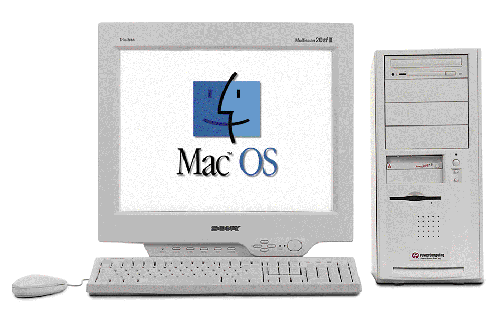

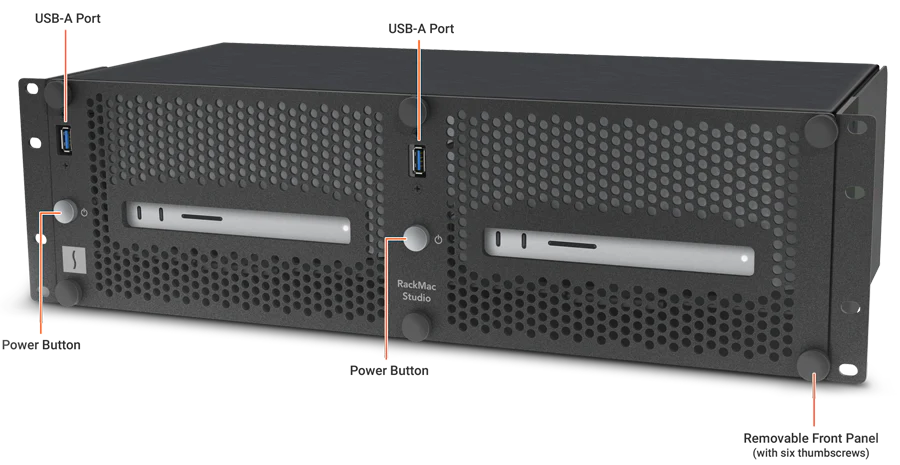
The RackMac TS 750/300 by Marathon Computer offered a powerful and expandable Mac clone solution in a secure 4U rackmountable chassis. It featured a 300 MHz PowerPC 750 (G3) processor on a daughtercard, up to 272 MB of RAM, a 2.1 GB SCSI-II hard drive, and a 4 MB IX-Micro Twin Turbo video card.
Launched in May 1998, it delivered enterprise-grade performance with Mac OS 9.0 compatibility, making it ideal for server farms, broadcast installations, and professional studios.
RackMac TS 750/300 – Complete Specifications
| Component | Specification |
|---|---|
| Model | RackMac TS 750/300 |
| Architecture | Tsunami |
| Form Factor | Marathon Rack (4U 19″) |
| Processor Type | PowerPC 750 (G3) |
| Processor Speed | 300 MHz |
| Backside Bus Speed | 150 MHz or 300 MHz (varied by config) |
| System Bus Speed | 50 MHz |
| FPU | Integrated |
| Processor Upgrade | Daughtercard, dual processor capable |
| Level 1 Cache | 64 KB |
| Level 2 Cache | 1 MB (backside) |
| Data Path | 64-bit |
| ROM Size | 4 MB |
| RAM Type | 70 ns 168-pin DIMM |
| Standard RAM | 32, 144, or 272 MB |
| Maximum RAM | 1040 MB |
| Motherboard RAM | 16 MB |
| RAM Slots | 8 |
| Video Card | IX-Micro Twin Turbo (4 MB VRAM) |
| Maximum VRAM | 8 MB |
| Hard Drive | 2.1 GB SCSI-II |
| CD-ROM | 8X |
| Floppy Drive | 1.44 MB (manual) |
| Modem | Not included |
| Ethernet | AAUI, 10Base-T |
| Expansion Slots | 6 PCI |
| Expansion Bays | 1 (5.25″ external), 2 (3.5″ internal) |
| Battery Type | 3.6V Lithium |
| Built-in Display | None |
| Supported Mac OS | 7.5.3–7.6.1, 8.0–9.0 (unsupported past 8.1) |
| Dimensions (HxWxD) | 7.0 x 17.25 x 17.75 inches |
| Weight | 42 lbs |
| Original Price | $5100–$6200 USD |
Built for Rack Environments
The RackMac TS 750/300 stood out with its lockable front panel, durable design, and upgradeable architecture. It was ideal for power users needing Apple compatibility in server or production racks. The ability to run Mac OS 9.0 and support dual G3 processors made it a reliable choice during its time.
Its balance of performance, storage, and expandability allowed integration into high-performance Mac workflows—without sacrificing rack space.