

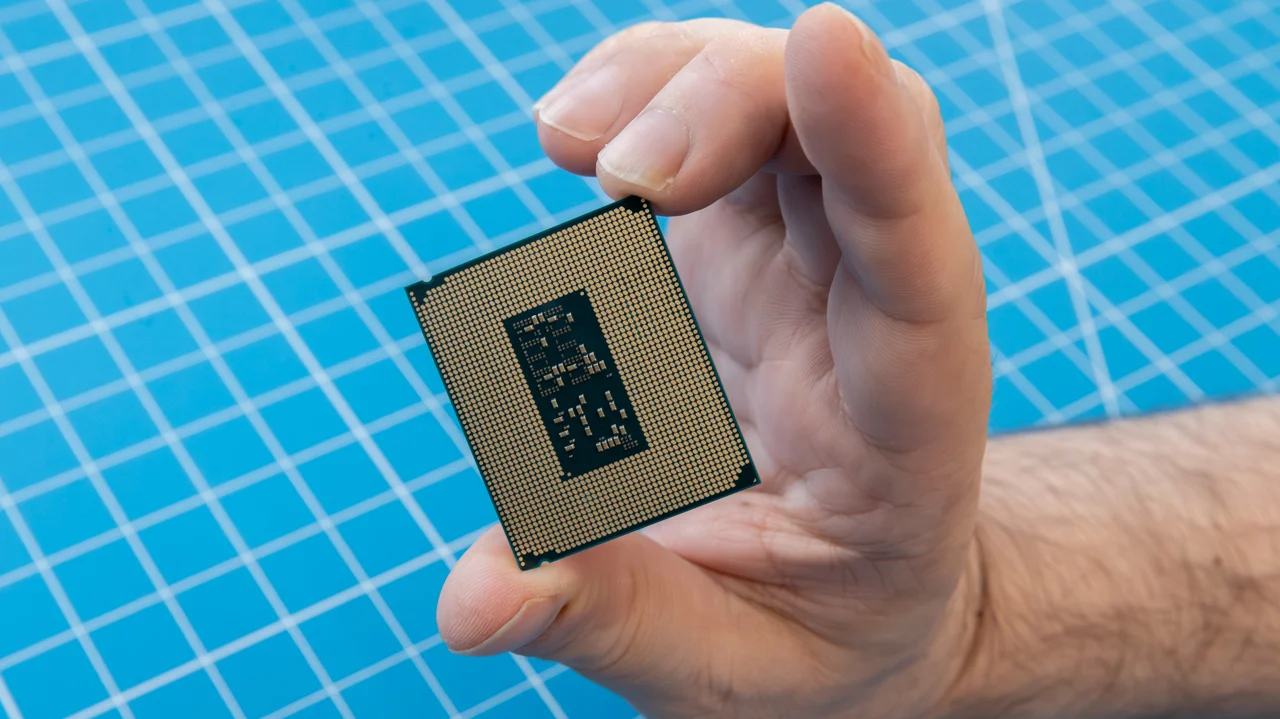
Intel is preparing a major refresh of its desktop processor lineup as it attempts to regain momentum in the competitive gaming CPU market. The company’s upcoming Core Ultra 200S Plus chips promise higher gaming speeds, improved multithread performance, and significantly lower prices.
Intel confirmed that the new processors build on the existing Arrow Lake architecture. However, the refreshed lineup introduces several internal improvements designed to address gaming performance concerns that have slowed adoption of the original Core Ultra 200S chips.
According to Intel, the Core Ultra 200S Plus processors could deliver up to 103 percent higher multithreaded performance compared with competing chips in similar categories. Meanwhile, gaming speeds may increase by around 15 percent on average.
Although the claims require real-world testing, Intel is clearly targeting gamers who have recently shifted toward AMD processors.
Core Ultra 200S Plus aims to close gaming gap
Intel’s biggest challenge in recent years has been gaming performance. While Arrow Lake processors delivered strong raw CPU power, they struggled to match AMD’s gaming results in several scenarios.
In particular, AMD’s Ryzen 9000 series processors with 3D V-Cache have gained strong popularity among gamers. These chips deliver extremely high frame rates in competitive titles where every millisecond counts.
Intel hopes the Core Ultra 200S Plus refresh will narrow this gap. A 15 percent gaming performance improvement could make the processors more competitive in high-frame-rate environments.
However, Intel also understands that performance alone may not convince gamers to switch platforms. As a result, the company has paired the refresh with aggressive pricing.
The upcoming Core Ultra 7 270K Plus will launch for $299. Intel also plans to introduce the Core Ultra 5 250K Plus for $199, positioning it as one of the most affordable high-core desktop processors available.
These price reductions could make the new processors difficult for PC builders to ignore.
Architecture improvements behind Core Ultra 200S Plus
Intel has made several architectural changes to improve performance in the Core Ultra 200S Plus lineup. Many of these updates focus on memory bandwidth and system latency.
Arrow Lake processors introduced Intel’s first modern chiplet design. Instead of building processors as one large chip, Intel separated components into smaller modules within the same package.
Chiplet designs allow manufacturers to scale production more efficiently. However, they also create challenges when data must travel between different modules.
Intel addressed this issue by increasing interconnect speeds between chiplets by up to 900 MHz. Faster communication reduces latency and increases memory bandwidth across the processor.
Because gaming performance often depends on fast data access, these improvements could help close the gap with AMD chips.
Additionally, Intel upgraded the memory controller to support DDR5 memory speeds of up to 7200 MHz. The original Core Ultra 200S processors officially supported DDR5 at 6400 MHz.
Higher memory speeds often translate into smoother frame rates and better overall system responsiveness.
Read Also
Apple Releases iOS 26.3 Update with New Features
Microsoft Plans Windows 11 Taskbar Overhaul
Core Ultra 200S Plus introduces new optimization technology
Another major feature of the Core Ultra 200S Plus processors is Intel’s Binary Optimization Tool.
Intel describes the technology as a new approach to improving processor instructions per cycle. The system analyzes workloads and adjusts how instructions move through the processor.
Interestingly, Intel says the tool can optimize software originally designed for other processors or gaming consoles.
This capability could help improve performance in games that were not originally optimized for Intel architectures.
Intel also confirmed that the Binary Optimization Tool contributes to both gaming improvements and stronger multithread performance.
Although the company has not fully explained the technology, it highlights Intel’s focus on software optimization alongside hardware changes.
Core Ultra 200S Plus lineup and core configuration
Intel revealed three processors in the Core Ultra 200S Plus family.
The flagship chip in the lineup is the Core Ultra 7 270K Plus. This processor includes eight performance cores and sixteen efficiency cores.
That configuration matches the core layout of the previous Core Ultra 9 285K processor. As a result, the new chip could deliver similar or better performance at a much lower price.
The second processor in the lineup is the Core Ultra 5 250K Plus. This chip includes six performance cores and twelve efficiency cores.
Compared with the previous Core Ultra 5 245K, the new model adds four additional efficiency cores.
Intel also confirmed a third variant called the Core Ultra 5 250KF Plus. Like other KF processors, this version removes integrated graphics for users who rely on dedicated GPUs.
Intel has not announced pricing for the KF version yet. However, KF models typically cost between $10 and $20 less than standard versions.
Pricing strategy could reshape desktop CPU market
The pricing of the Core Ultra 200S Plus processors may become the biggest story surrounding the launch.
Intel’s previous Arrow Lake processors already offered competitive pricing compared with AMD. Yet the gaming performance gap still pushed many enthusiasts toward Ryzen chips.
By lowering prices further, Intel hopes to make its processors a stronger value proposition.
For example, the Core Ultra 7 270K Plus costs far less than the earlier Core Ultra 9 285K, which launched at $589.
If performance remains similar, many PC builders may find little reason to purchase the older flagship model.
The new pricing strategy may also force AMD to adjust its own processor prices in response.
Core Ultra 200S Plus release date and availability
Intel plans to release the new processors on March 26.
At launch, three models will be available: the Core Ultra 7 270K Plus, Core Ultra 5 250K Plus, and Core Ultra 5 250KF Plus.
Industry analysts expect the refreshed lineup to intensify competition in the desktop processor market. Lower prices combined with improved gaming performance could make the new chips attractive options for gamers and PC builders.
If Intel’s performance claims hold up in real-world testing, the Core Ultra 200S Plus processors could help push down the cost of building high-performance gaming PCs.