
Determining if your PC is ready for the latest operating system is the first step toward a secure digital experience. Therefore, performing a Windows 11 compatibility check has become an essential task for millions of users. These users want to access the latest features in 2026 without hardware setbacks. While Microsoft released Windows 11 several years ago, the hardware standards remain strictly enforced. These rules ensure system stability and security for every user. Currently, these requirements remain firm to protect against evolving digital threats.
The most effective way to start is by using Microsoft’s official utility. This tool is known as the PC Health Check app. Once you download and install this tool, you can simply click a single button. This runs an automated Windows 11 compatibility check. The program analyzes your processor, RAM, and storage while also verifying critical security modules. If your PC meets the standards, the app will display a green checkmark. Otherwise, it provides a detailed list of the specific components that fail to meet the “minimum floor” for support.
For those who prefer a manual approach, your device must meet several core specifications. Specifically, you need a 1 GHz or faster 64-bit processor with at least two cores. Furthermore, your system must have 4 GB of RAM and 64 GB of available storage space. Beyond these basics, the Windows 11 compatibility check focuses heavily on firmware. Your PC must support UEFI and be Secure Boot capable. Most importantly, Microsoft requires a Trusted Platform Module (TPM) version 2.0 chip. This chip handles modern encryption and security features.
Many users find that their hardware actually supports these features. However, these settings often remain disabled in the BIOS. For instance, if your Windows 11 compatibility check reports a missing TPM, you should restart your PC. Then, enter the UEFI settings to investigate. Look for options labeled “PTT” for Intel systems or “fTPM” for AMD systems. Enabling these settings often turns a “failed” compatibility report into a “passed” one instantly. Similarly, ensure that your BIOS does not run in “Legacy” or “CSM” mode. Windows 11 strictly requires a modern UEFI environment.
As we move further into 2026, Microsoft has introduced newer updates. These updates optimize performance for AI-ready hardware. Interestingly, these specific versions might target newer silicon exclusively. However, standard Windows 11 releases continue to support a wide range of Intel and AMD processors from 2018 onwards. Consequently, if your current PC passes the Windows 11 compatibility check, you can expect regular security and quality updates for years. Staying proactive with these checks ensures your hardware remains functional and safe in a changing landscape.
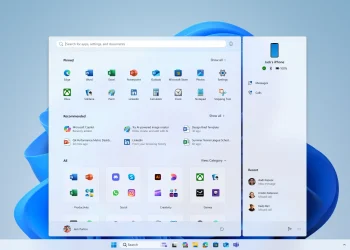
In conclusion, verifying your hardware’s readiness is a straightforward process. It saves significant time during the upgrade. By using official tools or checking UEFI settings, you can confidently determine your path forward. Once you complete your Windows 11 compatibility check, you can easily transition to the new interface. You will enjoy features like improved window snapping and native AI integration. This ensures that your computing experience remains fast, reliable, and up to date with modern standards.