
Microsoft recently released the Windows 11 KB5077241 optional cumulative update. This release introduces 29 significant changes to the operating system. Specifically, the update targets users on versions 24H2 and 25H2. It brings their build numbers to 26100.7922 and 26200.7922, respectively. As an optional preview update, it serves as a vital testing ground for bug fixes and features. Consequently, admins can verify improvements before they become mandatory during the following month’s Patch Tuesday.
One of the most vital improvements in Windows 11 KB5077241 concerns BitLocker reliability. Previously, some users reported that their devices would freeze immediately after they entered a recovery key. This update effectively resolves that issue. Thus, it ensures a smoother recovery process for encrypted drives. Additionally, Microsoft introduced a built-in network speed test tool. Users can now check their Ethernet, Wi-Fi, or cellular speeds directly from the taskbar. Simply right-click the network icon or use the Quick Settings menu to access this feature.
Beyond connectivity, this update also enhances the File Explorer experience. For instance, you can now open a new File Explorer instance more reliably. To do this, simply hold down the Shift key or use the middle mouse button. Furthermore, the system now wakes from sleep much faster. This improvement remains effective even when the PC runs under a heavy processing load. This performance boost especially helps users with docked laptops and multi-monitor setups who previously faced resume lag.
For advanced users and IT professionals, Windows 11 KB5077241 introduces native System Monitor (Sysmon) functionality. Although Microsoft disables this feature by default, it allows for deep system activity logging. This means you no longer need the separate Sysinternals installer for basic monitoring. Moreover, the update automatically enables Quick Machine Recovery (QMR) for Windows Professional devices. This applies specifically to machines that do not belong to an enterprise domain. Such a change helps users recover their systems more efficiently after critical errors.
The visual experience of Windows 11 also gains a few “quality of life” upgrades. For example, you can now set WebP (.webp) images as your desktop background natively. You will find this option through the Personalization settings or the File Explorer right-click menu. In addition, Microsoft refined the taskbar overflow logic. When you set the taskbar to “uncombined,” only the specific windows that do not fit will move to the overflow area. Previously, the system moved the entire app set. This update creates a much cleaner and more organized workspace for power users.
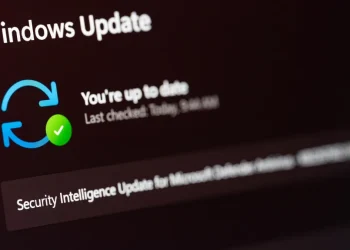
Finally, Microsoft uses Windows 11 KB5077241 to roll out updated Secure Boot certificates. These certificates replace the original 2011 versions that expire in late June 2026. Therefore, admins should test these certificate updates now to avoid future boot issues. To install this update, navigate to Windows Settings and select Windows Update. Then, click “Check for Updates.” Because this is a preview, you must manually select the “Download and install” link to begin the installation.