

After years of user frustration, Microsoft is restoring a classic Windows feature. The movable taskbar in Windows 11 will return in summer 2026. Users will be able to place it on the left, right, top, or bottom of the screen. Additionally, they will finally be able to resize it.
For context, taskbar positioning has been part of Windows since the 1990s. Its removal in Windows 11 drew strong criticism. Power users especially missed vertical or top-aligned layouts. Now, Microsoft is responding as part of a broader trust-rebuilding effort after a difficult 2025.
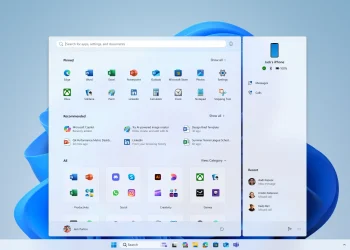
This update won’t simply copy the past. The modern Windows 11 taskbar includes Cross Device Resume, Copilot, Phone Link, and dynamic system icons. Therefore, Microsoft must ensure all these features work correctly in every orientation. Internal reports confirm the team is actively adapting them for full compatibility.
Moreover, the taskbar will support true resizing. Many users want a slimmer bar to save screen space—but not hide it completely. Currently, “small taskbar buttons” only shrink icons, not the bar itself. The new option will reduce overall height and spacing, offering real customization.
This dual upgrade—movement and resizing—is now a high-priority project. Microsoft has assigned extra engineering resources to deliver it reliably. The challenge is significant: apps and system UI must adjust dynamically without breaking layout or usability.
Originally, Microsoft skipped the movable taskbar in Windows 11 for design reasons. Early architects favored a “symmetric panes” layout. Start sat center, widgets went left, and system controls stayed right. They believed other placements would disrupt visual balance. Rebuilding the taskbar from scratch also made side or top alignment seem too complex at launch.
Yet user feedback was overwhelming. The top-voted request in the Windows Feedback Hub asks exactly for this feature. In response, Microsoft is not just reversing course—it’s committing fully to technical execution.
The rollout is planned for summer 2026. Timelines could shift due to complexity. Still, the investment itself is meaningful. It shows Microsoft is returning to user-centric design after years of rigid control.
Equally promising is the wider 2026 roadmap. Expect better performance, improved gaming, stronger security, and less intrusive Copilot integration. Together, these signal that Windows 11 may finally meet its potential—not through revolution, but thoughtful refinement.
In short, the return of the movable taskbar in Windows 11 is more than nostalgia. It reflects a renewed respect for user choice—a principle long central to Windows’ success.
READ: Microsoft Rolls Out Copilot Shim for Mac Enterprise Users