

The list of Windows versions represents the evolution of Microsoft’s flagship operating system. Since its debut in 1985, Windows has transformed from a simple graphical interface on top of MS-DOS into a full-fledged, multi-functional OS used by billions of people worldwide. Whether you’re a long-time user or someone interested in the evolution of this operating system, this comprehensive guide will help you explore the different Windows versions and understand their key features and updates over the years.
Early Versions of Windows
1. Windows 1.0 (1985)
Released on November 20, 1985, Windows 1.0 was Microsoft’s first graphical user interface (GUI) for personal computers. It was a major step forward for the company, as it allowed users to interact with their PCs using a mouse and windows, rather than typing commands.
- Key Features: Tile-based window management, simple GUI interface.
- Limitations: Very basic compared to later versions, with limited software support.
2. Windows 2.0 (1987)
Windows 2.0, launched in December 1987, improved upon the original with overlapping windows and better memory management. It introduced support for VGA graphics and the ability to run multiple applications at once.
- Key Features: Enhanced graphics support, multitasking.
- Limitations: Still required MS-DOS to operate.
3. Windows 3.x Series (1990–1994)
The Windows 3.x series, which included Windows 3.0 (1990), Windows 3.1 (1992), and Windows 3.11 (1993), was the first version of Windows to gain widespread popularity. It offered improved graphics and better multitasking, making it a significant upgrade over its predecessors.
- Key Features: Enhanced graphical interface, improved memory management, support for 32-bit applications.
- Impact: Helped establish Microsoft as the leader in the operating system market.
The 95 Era
4. Windows 95 (1995)
Windows 95 marked a major milestone for Microsoft with its introduction of the Start menu, plug-and-play hardware support, and the transition to a 32-bit operating system.
- Key Features: Start menu, taskbar, plug-and-play hardware support, Internet Explorer integration.
- Impact: Windows 95 was a huge commercial success and set the stage for future versions of Windows.
5. Windows 98 (1998)
Building on the success of Windows 95, Windows 98 introduced improved hardware support, better USB functionality, and a more stable environment for gaming and multimedia applications.
- Key Features: Enhanced hardware compatibility, system recovery tools.
- Impact: Remained popular for several years, especially with gaming enthusiasts.
The XP and Vista Years
6. Windows XP (2001)
Released in October 2001, Windows XP is one of the most beloved versions of Windows. It introduced a more user-friendly interface, enhanced security features, and a significant improvement in performance.
- Key Features: Luna interface, improved security, faster boot times.
- Impact: Long-lasting success, supported by users well beyond its official end of support.
7. Windows Vista (2007)
Although it featured a visually appealing Aero interface, Windows Vista struggled with performance issues and compatibility problems, especially on older hardware.
- Key Features: Aero Glass interface, improved security (User Account Control), new media player.
- Impact: Vista was a commercial disappointment but paved the way for Windows 7 with lessons learned from its shortcomings.
The Modern Era
8. Windows 7 (2009)
Windows 7, released in October 2009, was a major success for Microsoft. It fixed many of the issues present in Vista and became known for its stability, speed, and user-friendly interface.
- Key Features: Refined Aero interface, improved performance, taskbar updates.
- Impact: Widely regarded as one of the best versions of Windows, praised for its balance of performance and functionality.
9. Windows 8 (2012)
Windows 8 introduced a drastic departure from the traditional Windows desktop interface with the introduction of the Metro UI and a heavy emphasis on touch functionality.
- Key Features: Modern UI, live tiles, integration with Windows Store.
- Impact: Controversial due to its drastic shift, but it influenced the design of future versions, particularly Windows 10.
10. Windows 10 (2015)
Windows 10 was a return to form for Microsoft, bringing back the Start menu while also embracing modern design elements. It introduced the Windows Store, virtual desktops, and Edge browser.
- Key Features: Start menu return, Cortana digital assistant, continuous updates, Windows Ink, Microsoft Edge.
- Impact: Windows 10 became widely accepted and is used by millions of users worldwide as the standard operating system.
The Future of Windows
11. Windows 11 (2021)
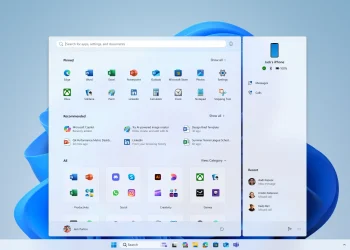
Windows 11, released in October 2021, offers a more refined and modern design with a focus on productivity, gaming, and security. It introduced rounded corners, a centered taskbar, and improved virtual desktops.
- Key Features: New Start menu, Windows Store updates, virtual desktops, snap layouts, improved security.
- Impact: Windows 11 is slowly being adopted as the new standard, with an emphasis on supporting newer hardware.
Conclusion
The list of Windows versions reflects the evolving needs of computing, from the early days of graphical interfaces to the sophisticated, performance-driven systems of today. Each version has contributed something significant to the development of personal and business computing, with newer versions continuously improving security, user experience, and functionality. Whether you’re still using Windows 7 or have moved on to Windows 11, understanding these milestones gives insight into the operating system’s remarkable journey.