
The Windows 8 Metro interface remains one of the most divisive user experiences in computing history. When Microsoft launched it in 2012, the company replaced the familiar Windows desktop—refined since Windows 95—with a grid of colorful, touch-friendly tiles originally designed for mobile devices and music players. Users reacted strongly, and Microsoft quickly scaled back the design in later versions like Windows 8.1 and Windows 10.
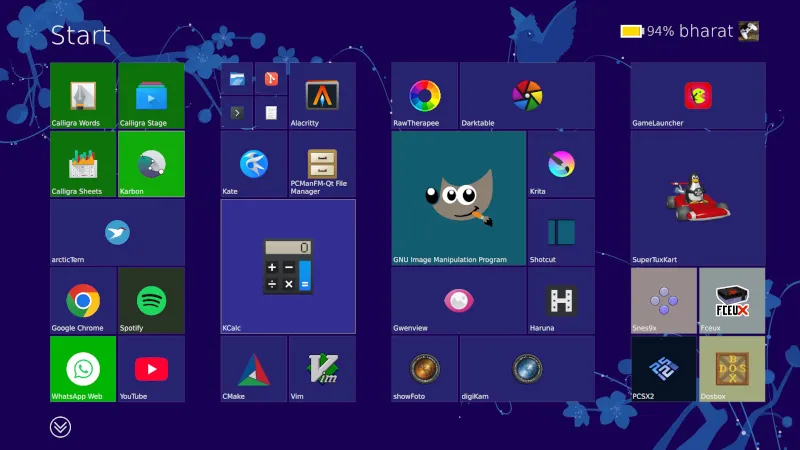
Now, however, you can relive—or rediscover—the Windows 8 Metro interface on Linux. A developer known as [er-bharat] has created Win8DE, a lightweight shell built for Wayland compositors that closely mimics Metro’s look and feel. This project brings Microsoft’s once-discarded interface to an open-source ecosystem, blending irony with technical ingenuity.
At first glance, reviving such a widely criticized design might seem misguided. Yet there’s a compelling argument in its favor. The Windows 8 Metro interface wasn’t inherently flawed—it was simply mismatched to its context. On touchscreen tablets and handheld devices, its large, tappable tiles work exceptionally well. The problem arose when Microsoft forced this mobile-first layout onto traditional desktops with mice and keyboards, where navigation felt awkward and inefficient.
Win8DE could find new relevance in the right setting. For Linux-powered tablets, kiosks, or touch-based displays, the Metro-inspired layout may offer a clean, intuitive experience. Its bold typography, live tiles, and full-screen apps align well with modern gesture-driven interactions. In fact, the interface might finally shine where it was always meant to: on touch-centric hardware.
Unfortunately, the strong association with Windows 8’s unpopularity may hinder adoption. Many users still remember the frustration of accidentally launching the Start screen instead of their desktop. That stigma could overshadow Win8DE’s potential, especially among mainstream Linux users.
Still, the project highlights an important truth about interface design: context matters more than aesthetics alone. What fails on one device can succeed on another. And with tools like .NET running on Linux today, someone might even build a more cohesive Windows 8-like experience than Microsoft ever delivered.
For those curious about alternative desktop environments, Win8DE offers a nostalgic yet functional experiment. You can explore it on GitHub or test it alongside other Wayland shells like Sway or Hyprland.
READ: The Growing Android Accessory Market: Why It’s Finally Getting the Attention It Deserves