
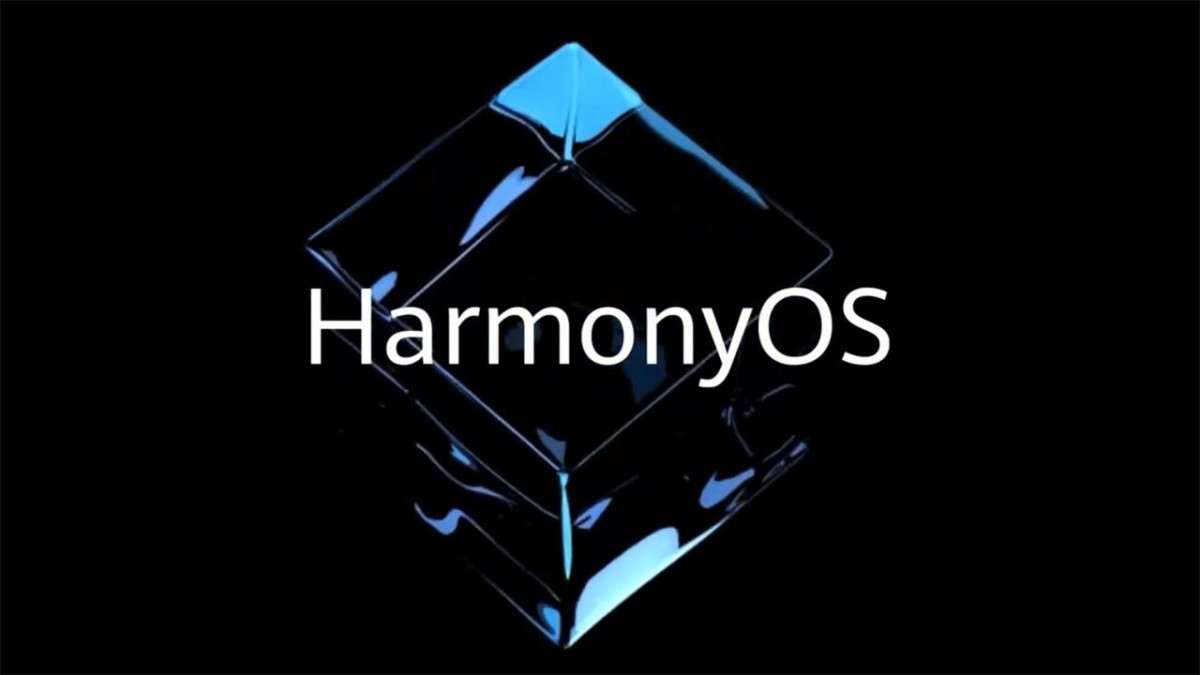
Open Source HarmonyOS and Euler are experiencing accelerated adoption among developers in China. This announcement comes from the OpenAtom Foundation, which confirmed the projects have reached a crucial “Graduation” milestone. This achievement signals their comprehensive maturity in technology, community governance, and ecosystem development.
The growth of Open Source HarmonyOS (OpenHarmony) and openEuler reflects a broader surge in China’s open-source activity. The foundation reports over 3 million active open-source projects and 2.27 million active developers in the country. This vibrant community is now producing influential software that competes on a global scale.
What Project Graduation Means for the Ecosystem
In the world of open-source foundations, “Graduation” is a significant status. It is not merely a symbolic achievement. Instead, it signifies that a project has proven its robustness and long-term viability.
Graduating projects demonstrate strong vitality and sustainable development capabilities. Consequently, they are positioned to create greater value for developers worldwide. They have moved beyond their initial phases to become stable, well-governed platforms that can profoundly impact industry innovation.
The Expanding Chinese Open-Source Landscape
The rise of Open Source HarmonyOS and Euler is part of a larger technological shift. Chinese developers are now leading in several key open-source domains, creating a diverse and competitive global landscape.
Leadership in AI and Hardware
The foundation highlighted that Chinese developers are at the forefront of open-source AI models. Projects like DeepSeek and Qwen are leading the competition in the global AI market. This demonstrates a strategic push into next-generation computing.
Furthermore, open-source hardware architectures are rapidly gaining traction. RISC-V, in particular, is experiencing explosive growth. Its global market penetration is expected to reach 25% by 2025. The foundation predicts that “open source RISC-V will lead the next generation of AI computing power systems.”
A Foundation for Global Collaboration
Established in 2020, the OpenAtom Foundation is China’s first open-source software foundation. Huawei, a top contributor from the beginning, developed and donated the source code for both OpenHarmony and openEuler. This move provided the foundational technology for the community to build upon.
The maturation of Open Source HarmonyOS and Euler provides new choices for developers and enterprises. These projects offer alternatives in operating systems for devices and servers. For more information on global open-source trends, you can explore the Linux Foundation’s publications.
The graduation of these projects marks a pivotal moment. Open Source HarmonyOS and Euler are no longer just projects; they are mature ecosystems. They are poised to play an increasingly important role in the global technology infrastructure, driven by a massive and active developer community.