
Former Microsoft engineer Dave Plummer has raised concerns over the current state of Windows, suggesting that the operating system could benefit from a “hardcore mode”. Plummer, who was part of the Windows NT development team during its golden era, expressed frustration over the bloated features and “fluff” that now define the operating system.
The Need for a Hardcore Mode
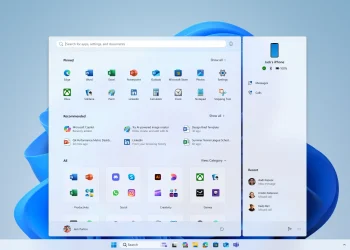
Plummer’s main complaint centers on the excessive user-interface elements and “helpful” suggestions that often clog the Windows experience. He proposes the idea of a system-wide setting that could toggle Windows from its current, user-friendly state to one that is more deterministic and terse. This would effectively remove redundant features and offer a more streamlined, no-nonsense operating environment tailored to power users and enthusiasts.
The move would aim to eliminate distractions like unsolicited prompts and web searches in the local search, a common complaint among users. In his vision, the operating system would become more transparent, allowing users to fully control their experience.
More Control and Transparency
Alongside the hardcore mode, Plummer advocates for centralized control over settings. He criticizes the “scavenger hunting” that users must endure when searching for a particular setting, particularly when dealing with the Windows Registry. A more intuitive and organized system would help users understand what changes are being made and where they are being applied, removing the need for guesswork.
Additionally, telemetry — the data Windows collects for diagnostics — has long been a point of contention. While Plummer acknowledges its utility, he calls for radical transparency. Users should have the ability to mute specific telemetry categories and receive clear explanations about every data packet being sent, with links to the relevant documentation.
Fixing Update Behavior and User Trust
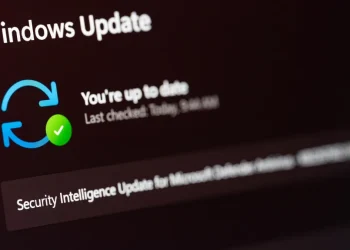
Another area Plummer focuses on is Windows updates. Surprises like unexpected reboots or post-update system instabilities have often frustrated users. He suggests that Windows should not only avoid surprise updates but also offer an automatic rollback feature after an update if the system doesn’t perform as expected. Plummer believes that this would restore user trust, which he feels has eroded over time due to poor handling of updates.
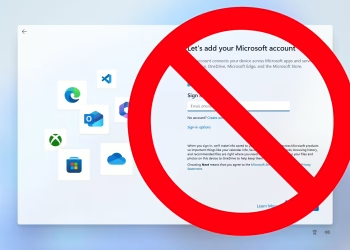
Plummer’s message is clear: Windows needs to respect its users’ choices. The constant nudging, pop-ups, and unsolicited recommendations from Microsoft should be addressed. His vision includes a version of Windows where users are not constantly second-guessed or treated like novices.
Acknowledging Windows’ Strengths
Despite his critiques, Plummer acknowledges that Windows has its strengths. He praises the kernel’s performance, the storage stack, and the drive ecosystem as examples of Windows’ mature, high-performing foundation. The Windows Subsystem for Linux and Windows Terminal also earned his approval, showcasing that when Microsoft focuses on performance and functionality, it succeeds.
However, it is the added features—particularly those aimed at casual or non-technical users—that continue to frustrate Plummer. He feels that Windows has shifted focus from empowering users to being a sales channel for Microsoft’s other products.
Windows Needs to Remember Its Users
Ultimately, Plummer believes the answer to Windows’ issues lies in returning to its roots—offering users the choice and control they deserve. Whether Microsoft embraces his idea of a hardcore mode or makes other adjustments, the key takeaway is that the operating system must remember who it’s working for. As he puts it, “Windows only sucks when it forgets its purpose.”
By making system performance, transparency, and user control the priority, Windows could regain the trust and respect of its most dedicated users.