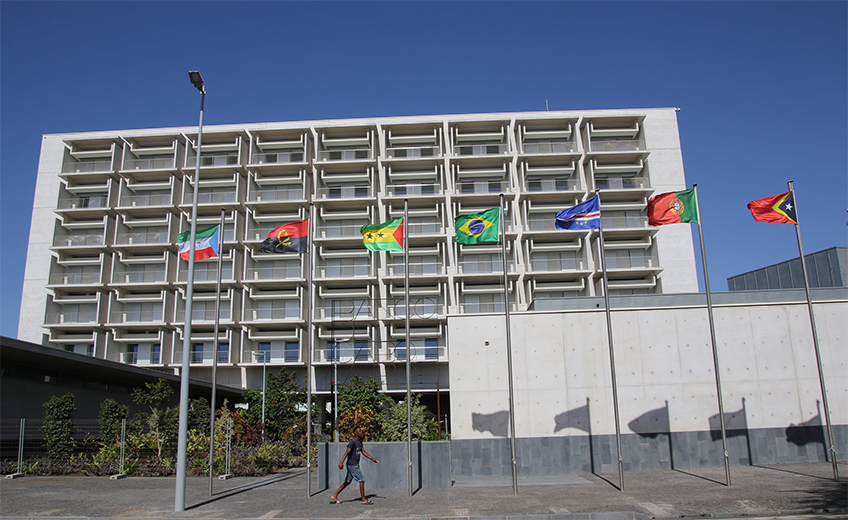

Cape Verde banks operate within a small but strategically important financial system in West Africa. Supported by tourism, remittances, and international trade, the sector plays a vital role in the island nation’s economic stability and development.
The banking system in Cape Verde includes domestic banks, international subsidiaries, and state-owned institutions. These Cape Verde banks provide retail banking, corporate finance, and cross-border financial services that connect the country to global markets.
1. Banco de Cabo Verde
Banco de Cabo Verde serves as the central bank regulating all Cape Verde banks.
The bank manages monetary policy, financial supervision, and currency stability.
Its importance lies in maintaining confidence in the financial system.
Commercial Cape Verde Banks
These institutions provide core banking services across the country.
2. Banco Comercial do Atlântico (BCA)
BCA is one of the largest Cape Verde banks.
The bank provides retail banking, corporate services, and investment solutions.
Its strength lies in its strong domestic presence.
3. Caixa Económica de Cabo Verde
Caixa Económica is a state-owned bank.
The bank offers retail banking, savings products, and financial services.
Its advantage lies in its nationwide reach.
4. Banco Interatlântico
Banco Interatlântico operates as part of Portugal’s CGD Group.
The bank provides corporate banking, retail services, and investment solutions.
Its strength lies in its international backing.
5. Banco Caboverdiano de Negócios
This bank is majority-owned by the IMPAR Group.
The bank offers retail banking, loans, and corporate services.
Its advantage lies in its strong local ownership.
6. Banco BAI Cabo Verde
Banco BAI Cabo Verde operates under the Angolan BAI Group.
The bank provides retail banking, corporate services, and financial solutions.
Its strength lies in its regional connections.
7. Ecobank Cabo Verde
Ecobank Cabo Verde operates as part of the Ecobank Group.
The bank offers retail banking, corporate services, and digital banking.
Its advantage lies in its pan-African network.
8. Banco de Fomento Internacional (BFI Bank)
BFI Bank provides corporate banking and investment services.
The bank offers loans, deposits, and financial solutions.
Its strength lies in its focus on business clients.
9. International Investment Bank Cabo Verde
This bank operates under Bahrain-based ownership.
The bank provides corporate banking, trade finance, and investment services.
Its advantage lies in its international investment links.
Banks in Liquidation
These institutions are no longer active but form part of the sector’s history.
10. Banco BIC Cabo Verde (Liquidation)
Banco BIC Cabo Verde previously operated as a commercial bank.
The bank is currently under liquidation.
Its closure reflects sector restructuring.
11. Banco Privado Internacional (Liquidation)
Banco Privado Internacional was a private bank.
The bank is also under liquidation.
Its status highlights regulatory enforcement in the sector.
What Makes a Bank the Best
Several factors define the strength of Cape Verde banks. Financial stability remains essential in a small island economy.
International connectivity also plays a key role. Banks support remittances and trade flows.
Digital innovation is growing. Customers expect efficient and accessible services.
Customer trust and regulatory compliance also influence performance.
Analysis of the Banking Sector
The Cape Verde banking sector is relatively small but well-regulated. It is closely linked to European and African financial systems.
Foreign-owned banks bring capital and expertise. Local banks maintain strong domestic networks.
Digital banking is expanding gradually. Financial inclusion continues to improve.
Why This Matters
Cape Verde banks support economic growth, tourism, and remittance flows. Their services enable businesses and individuals to access capital.
What Happens Next
The future of Cape Verde banks will focus on digital transformation and international integration.
Banks will invest in fintech and cross-border services. At the same time, regulatory oversight will remain strong.
Conclusion
Cape Verde banks form a stable and internationally connected financial system. Their mix of local and foreign institutions ensures continued development.
As the economy evolves, these banks will remain central to Cape Verde’s financial future.