BizmartOs
No Result
View All Result
  • Windows
  • macOS
  • Linux
  • Android
  • iOS
  • ChromeOS
  • Ubuntu
  • Debian
  • Fedora
  • BSD
  • Windows
  • macOS
  • Linux
  • Android
  • iOS
  • ChromeOS
  • Ubuntu
  • Debian
  • Fedora
  • BSD
No Result
View All Result
BizmartOs
No Result
View All Result

Home » Pi Network Launches Linux Node and Prepares Protocol Upgrade

Pi Network Launches Linux Node and Prepares Protocol Upgrade

Obwana Jordan Luke by Obwana Jordan Luke
9 months ago
in Linux
Reading Time: 2 mins read
A A
Pi Network Launches Linux Node and Prepares Protocol Upgrade

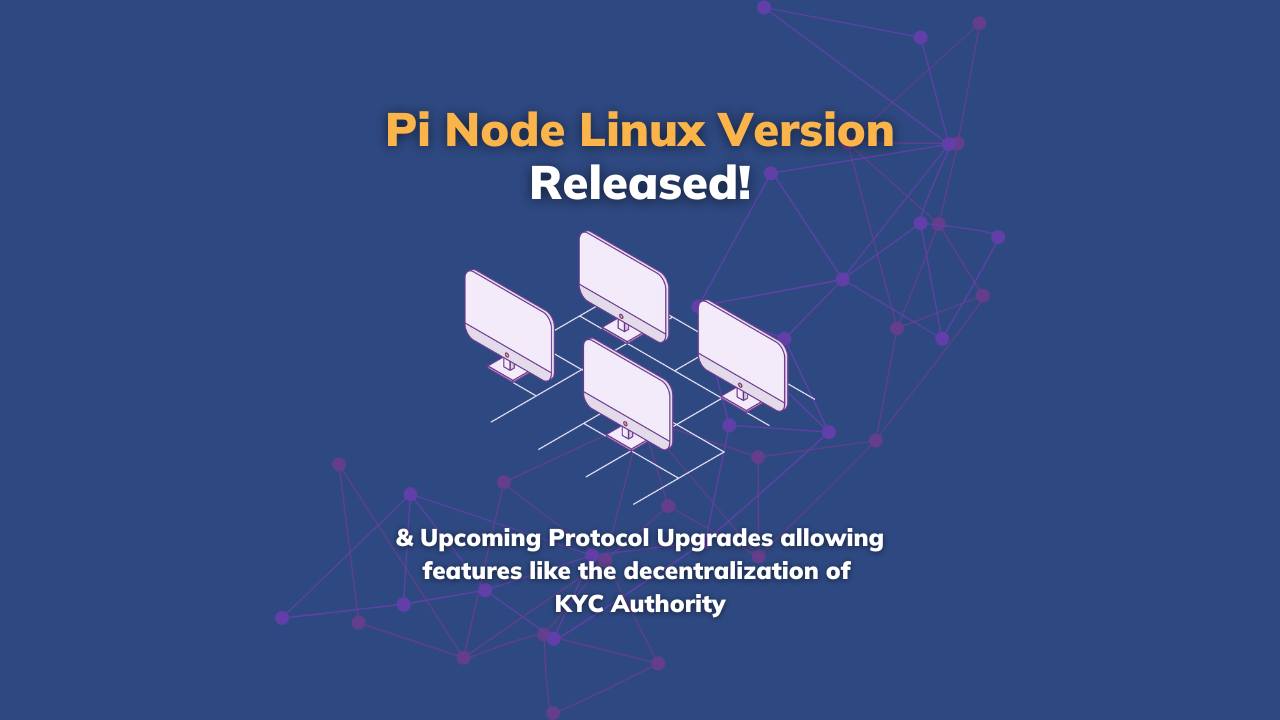
The Pi Network Linux Node release marks a major milestone for the project’s decentralized ecosystem. Until now, node support was limited to Mac and Windows. Expanding to Linux strengthens resilience and makes the network more inclusive for developers, partners, and technically capable Pioneers.

Why Linux Node Matters

Nodes are the backbone of Pi’s infrastructure. With Linux support, partners and exchanges that already run custom Linux-based nodes can now switch to an official, standardized version. This unlocks smoother self-management of protocol updates and enables auto-updates, reducing reliance on custom builds. The result is greater stability and consistency across the network.

For Pioneers, the Linux Node fulfills a long-requested community feature. While it does not directly tie to node rewards, it broadens access and participation. Developers and open-source contributors can now integrate more seamlessly, enhancing the ecosystem’s adaptability.

Upcoming Protocol Upgrade to Version 23

Alongside the Linux Node, Pi Network is preparing a staged upgrade from protocol version 19 to version 23. Built on Stellar’s version 23 but customized for Pi, this update introduces new functionality, control, and compliance features.

The rollout will happen in phases:

  • Testnet1 upgrades begin this week and may involve short outages. A new node container will be provided, requiring no user action.
  • Testnet2 and Mainnet upgrades will follow in the coming weeks, bringing the full ecosystem onto version 23.
  • Planned outages may occur across blockchain services and third-party platforms such as exchanges, but advance notices will be provided.

Decentralized KYC Authority

A key feature of the upgrade is embedding KYC enforcement directly into the protocol. Pi will continue as a leading KYC-verified blockchain, with more than 14.8 million verified accounts. However, authority will become decentralized, allowing trusted entities beyond Pi’s native KYC to participate in identity verification.

This evolution balances compliance with community-driven decentralization. It also aligns with broader industry trends such as ERC-3643, which integrates identity and compliance logic directly into tokens. For Pi, it reflects years of building a permissioned, verified blockchain well ahead of industry adoption.

What It Means for the Ecosystem

The Pi Network Linux Node strengthens the infrastructure, while the protocol upgrade ensures compliance and functionality for future integrations. Together, they demonstrate Pi’s focus on resilience, inclusivity, and innovation as it grows toward mainstream adoption.


READ: 3 Reasons Why Linux Helps Developers Flourish

Tags: decentralized infrastructurePi KYC blockchainPi Network Linux NodePi protocol upgradePi Testnet
Previous Post

3 Reasons Why Linux Helps Developers Flourish

Next Post

Linuxfx 11.25.09: The Windows Clone That Breathes New Life Into Old PCs

Related Posts

Best Linux Distros After Mint Upgrade
Linux

Best Linux Distros After Mint Upgrade

by Obwana Jordan Luke
2 months ago
0

The Linux distros after Mint conversation is growing as many users outgrow the simplicity of beginner-friendly systems. While Linux Mint...

Read moreDetails
Linux Privacy Hardware: M1 Macs Offer Security
Linux

Linux Privacy Hardware: M1 Macs Offer Security

by Obwana Jordan Luke
2 months ago
0

Linux privacy hardware decisions require careful evaluation specifically. Consequently, many users seek alternatives to x86 systems. Furthermore, Intel and AMD...

Read moreDetails
Orion Browser Linux Beta Now Available
Linux

Orion Browser Linux Beta Now Available

by Obwana Jordan Luke
2 months ago
0

The Orion browser Linux beta arrives for public testing. Consequently, Linux users can now evaluate this WebKit-based browser. Furthermore, the...

Read moreDetails
OpenRazer 3.12 Adds New Razer Device Support
Linux

OpenRazer 3.12 Adds New Razer Device Support

by Obwana Jordan Luke
3 months ago
0

The release of OpenRazer 3.12 marks an important update for Linux users who rely on Razer gaming peripherals. The open-source...

Read moreDetails
Chrome ARM64 Linux Support Expands Browser Compatibility
Linux

Chrome ARM64 Linux Support Expands Browser Compatibility

by Obwana Jordan Luke
3 months ago
0

Chrome ARM64 Linux support has finally arrived, giving Linux users on ARM processors access to the official Google Chrome browser....

Read moreDetails
Linux Desktop Adoption Still Faces Key Barriers
Linux

Linux Desktop Adoption Still Faces Key Barriers

by Obwana Jordan Luke
3 months ago
0

Linux Desktop Adoption has improved significantly in recent years. However, the operating system still struggles to reach mainstream users. While...

Read moreDetails
Next Post
Linuxfx 11.25.09

Linuxfx 11.25.09: The Windows Clone That Breathes New Life Into Old PCs

  • About
  • Privacy
  • Terms
  • DMCA
  • Advertise
  • Contact

© 2026 Bizmart OS

No Result
View All Result
  • Windows
  • macOS
  • Linux
  • Android
  • iOS
  • ChromeOS
  • Ubuntu
  • Debian
  • Fedora
  • BSD

© 2026 Bizmart OS